I. Industry Pain Points: The Challenges of Cleaning Trash Bins
In an era of increasingly strict requirements for waste sorting and urban environmental protection, trash bins serve as vital urban infrastructure; their cleanliness directly impacts the city's appearance and public health.
Difficult Manual Cleaning: Trash bins often harbor residual grease and strong-smelling food waste; manual cleaning is inefficient and struggles to achieve a thorough cleanse.
Major Health Hazards:Sanitation workers face long-term exposure to pathogens and corrosive waste, posing significant threats to their health.
Water Waste:Traditional manual rinsing methods typically lack water recycling systems, resulting in substantial water wastage.
Secondary Pollution:Direct discharge of wastewater after cleaning can easily lead to clogged roadways and sewers, as well as environmental contamination.
II. Product Definition: What is a Trash Bin Automatic Cleaning Machine?
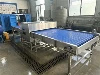
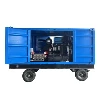
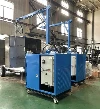
The Trash Bin Automatic Cleaning Machine is a modern piece of sanitation equipment that integrates high-temperature, high-pressure washing, comprehensive disinfection, and wastewater recovery and treatment into a single unit. Utilizing an intelligent control system, it can rapidly and thoroughly perform a 360-degree, "dead-angle-free" cleaning of both the interior and exterior walls of standard trash bins (such as 240L and 120L models), thereby replacing traditional manual cleaning methods.

III. Core Highlights and Advantages
1. Rapid Cleaning, High-Efficiency Operation
It takes just 60 seconds to 3 minutes to complete the entire process of transforming a dirty bin into a clean one. The machine features a dual-station cleaning design-doubling efficiency-and is capable of continuous operation, boasting a cleaning capacity of up to 60–100 bins per hour, which significantly boosts the overall efficiency of sanitation operations.
2. High Temperature & High Pressure: Deep Cleaning Power
Equipped with a built-in high-power heating system, the machine generates hot water at temperatures ranging from 80°C to 90°C, paired with a high-pressure water flow of 180 Bar. The high temperature rapidly dissolves thick grease and grime, while the high pressure effectively strips away residues adhering to the bin walls, simultaneously eliminating most bacteria and insect larvae.
3. Water Conservation & Eco-Friendliness: Wastewater Recycling
The system employs an advanced water recycling and filtration mechanism. After cleaning, the wastewater undergoes a multi-stage treatment process-including sedimentation, filtration, and oil-water separation-allowing it to be reused for subsequent cleaning cycles. Compared to traditional manual cleaning, this method saves 70% to 80% of water, aligning perfectly with national policies on energy conservation and emission reduction. 4. 360° Comprehensive Cleaning
Featuring a specially designed rotating spray arm, the system ensures that every surface-including the rim, bottom, and both the inner and outer sides of the lid-is effectively scrubbed, thereby completely eliminating any hard-to-reach sanitary blind spots.

IV. Brief Overview of Working Principles
1. Bin Loading: The waste bin is pushed onto the cleaning machine's designated mounting frame.
2. Cleaning Cycle: The equipment lifts the bin into a specialized cleaning chamber and initiates an internal circulation wash cycle.
3. High-Temperature, High-Pressure Rinse: A mixture of hot water and detergent is applied at high pressure to scour the interior walls of the bin; simultaneously, an external spray system cleans the exterior of the bin body.
V. Applicable Scenarios
Sanitation Systems: Waste transfer stations, sanitation vehicle depots.
Food & Beverage Industry: Large-scale cafeterias, concentrated dining districts, food processing plants.
Property Management: High-end residential complexes, large supermarkets/shopping malls, cleaning rooms within office building underground parking garages.
Public Spaces: Hospitals, schools, tourist attractions, playgrounds.
Agriculture/Industry: Cleaning of transport crates and material bins requiring rigorous disinfection.
VI. Conclusion
The automatic waste bin cleaning machine is more than just a piece of equipment; it marks a pivotal shift in urban sanitation management-moving from a "labor-intensive" model toward a "technology-intensive" one. It effectively resolves the operational pain points inherent in sanitation work, safeguards the health of sanitation workers, and provides robust technical support for creating a clean, odor-free urban environment.
Choose intelligent cleaning, and let waste bins become a clean and pleasant "scenic feature" within the city landscape.