I. Solution Positioning
This solution addresses the specific cleaning needs of aluminum alloy construction formwork-including concrete residue, hardened cement clumps, surface dust, and minor corrosion-by providing a safe, efficient, eco-friendly, non-damaging, and recyclable one-stop cleaning system. It serves as a superior alternative to traditional methods such as manual hammering and chiseling, acid pickling, and sandblasting. II. Comparison and Selection of Core Cleaning Methods
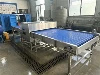
1. Fully Automated Gantry-Style Cleaning (Preferred for Large-Scale Operations)
Applicability: Aluminum formwork rental depots, large-scale construction groups, standardized batch refurbishment.
Principle: Roller conveyor system + Gantry-mounted moving spray nozzles + 1000–1500 bar ultra-high-pressure water jets.
Advantages: Fully automated assembly line; complete separation of personnel from spray guns ensures safety and eliminates risk.
- No blind spots in cleaning; provides full coverage of flat surfaces, side edges, and internal/external corners.
- Does not damage the aluminum substrate; prevents deformation and corrosion.
- Features water circulation and filtration systems for water conservation and environmental protection.
- 8-hour production capacity: 300–800 m².

2. Walk-Through / Tunnel-Style Cleaning (Medium Capacity)
Applicability: Small to medium-sized aluminum formwork processing plants, centralized cleaning operations at construction sites.
Structure: Fixed cleaning chamber + Multiple sets of rotating spray nozzles + Automated conveyor system.
Advantages:
- Compact footprint and lower initial investment. - Simple operation and convenient maintenance.
- Suitable for continuous cleaning of small to medium-sized batches.
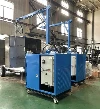
3. Mobile High-Pressure Washer (Flexible Supplementary Cleaning)
Applicability: Cleaning small quantities of formwork, irregularly shaped components, or hard-to-reach corners at construction sites.
Configuration: 500–1000 bar high-pressure washer + Rotating spray nozzle.
Advantages:
- Highly flexible and mobile; can be deployed for operation at any time. - Low investment with quick returns.
- Ideal for use in conjunction with automated lines to perform supplementary cleaning.

4. Strictly Prohibited Cleaning Methods (To Preserve Aluminum Formwork Lifespan)
- Acid/Alkaline Cleaning: Prohibited due to corrosion risks to aluminum formwork, reduced lifespan, and failure to meet environmental standards.
- Manual Hammering/Chiseling: Prohibited due to the risk of deformation, chipping of corners, and structural damage to the formwork.
- Excessive-Pressure / Aggressive Cleaning: Prohibited due to the risk of material puncture and deformation.
III. Standard Process Flow (Universal Closed-Loop System)
1. Loading and Sorting: Categorizing and organizing formwork panels; removing severely deformed or damaged components.
2. Pre-cleaning: Simple manual removal of large chunks of concrete to reduce the load on the high-pressure pump.
3. High-Pressure Water Cleaning: Ultra-high-pressure rotating spray nozzles strip away cement residue and surface rust.
4. Water Circulation and Treatment: Sedimentation tank → Filtration. → Reuse; water savings ≥ 80%
5. Unloading and Palletizing: Neatly stacked and ready for direct entry into the spraying or refurbishment processes.

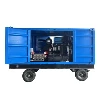
IV. Recommended Core Equipment Configuration
- High Pressure: 1000–1500 bar
- Flow Rate: 30–60 L/min
- Power: 110–160 kW (Motor-driven)
- Control System: Fully automatic PLC with variable frequency speed control
- Cleaning Mechanism: Rotating cleaning disc
- Water Treatment: Three-stage sedimentation + Bag/Cartridge filtration
- Protection: Fully enclosed (soundproof, dustproof, and splash-proof)
V. Summary of Solution Advantages
1. High Efficiency: The automated line achieves an efficiency level 8–15 times greater than manual labor.
2. Formwork Protection: Purely physical cleaning process-non-corrosive and non-deforming-thereby extending the service life of the formwork.
3. Environmental Compliance: Dust-free operation; no chemical agents used; wastewater is recyclable.
4. Cost Reduction & Efficiency Gains: Significantly reduces labor requirements and lowers the rework rate.
5. Standardization: Ensures consistent cleaning quality, facilitating easy turnover and reuse.