

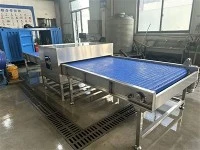
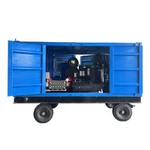


Cleaning Machine
Our company was established in 2012 and is committed to developing market brands in the field of high-pressure water jets.
Variety of Products
We can design, customize and manufacture high-pressure cleaners, industrial cleaning machines, sewer drain cleaning machines, high-pressure pumps, pressure test pumps, automatic cleaning systems, etc. for customers. We can also provide a variety of related accessories.
Wide Range of Applications
Our cleaning machines can be used in industrial and commercial cleaning applications. They can meet various needs such as commercial surface dirt cleaning, industrial pipe/pipe/tank cleaning, hull rust removal and painting, sewer drain cleaning, pipe/valve pressure testing, concrete surface roughening, concrete cutting, etc.
Advanced Production Equipment
Our factory is equipped with many advanced production equipment such as lathes, grinders, plate rolling machines, punching machines, and electric welding machines. We also conduct strict quality testing on our products to ensure they meet customer requirements.
Professional Service
We have a professional team to provide professional introduction and product recommendations. After the machine is manufactured, we will provide pictures and test videos for confirmation. In addition, we have a professional technical team to provide technical support to customers, and customers can enjoy our one-year warranty service.
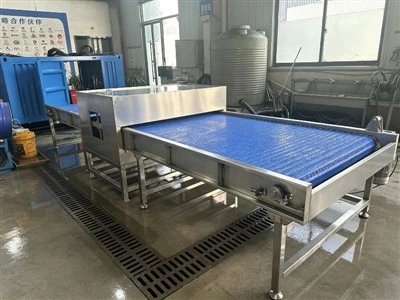


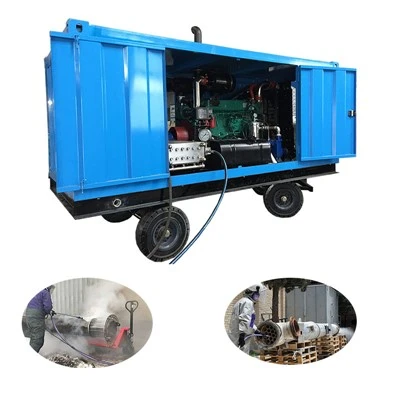
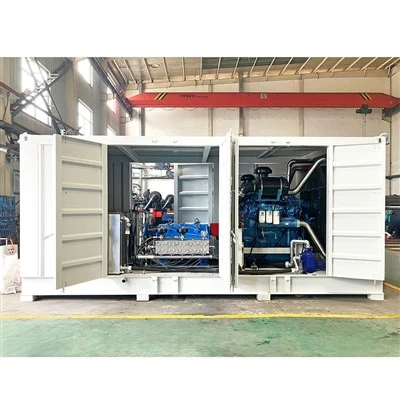
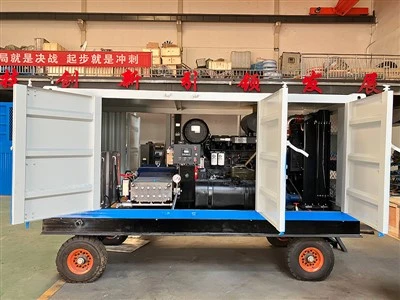
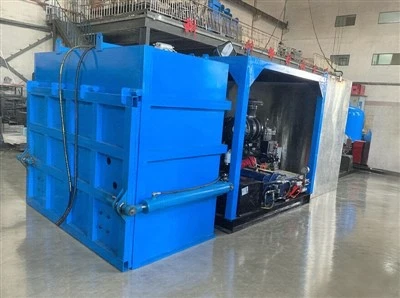
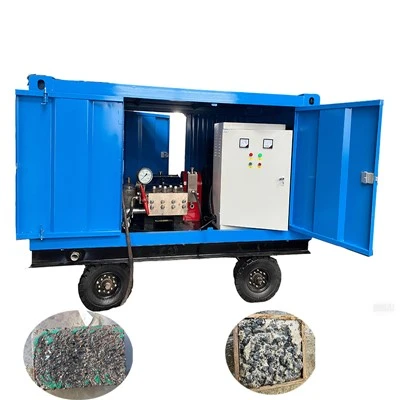
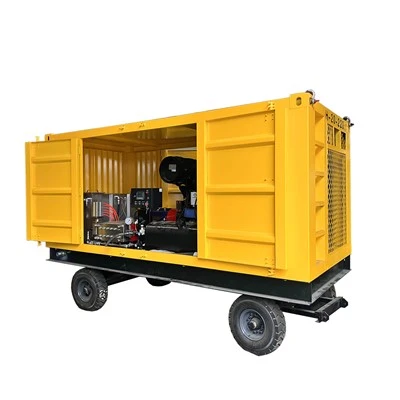

The range of cleaning machines is very wide. There are many different types of equipment such as pressure cleaners, drain cleaners, floor cleaning machines, commercial cleaning machines, etc. They use machines with high-powered steam to remove stains and grime. They are particularly suitable for the interior of large tanks or for large outdoor areas. There is a growing focus on hygiene and creating a safe environment for employees and customers, resulting in a growing demand for professional industrial cleaning machines. Commercial cleaning equipment can eliminate dirt, dust, grease and grime in a fraction of the time it takes someone to sweep or scrub the area manually. Today's commercial and industrial cleaning machines are quieter and more durable, eliminating many safety hazards.
Features of Cleaning Machines
Durability
The durability of your cleaning machine will determine whether it lasts for several years or needs to be replaced within a year or two. Industrial cleaning machines are often built from high-quality materials, which gives them a clear advantage when evaluating durability. The large filter surface with dedicated and certified filters makes it durable.
01
User Friendly
Industrial cleaning machines are designed specifically for industrial applications. Greater capacity means greater efficiency, which reduces the time it takes to get the job done. Every industrial cleaning machine has a comfortable container to drain the collected material. It ensures safe and comfortable work while not being difficult or tiring to use.
02
Low Noise
Some cleaning machines make so much noise that they are almost unbearable to use. At the same time, commercial or industrial cleaning machines operate at very comfortable levels. They will not produce too much noise and cause disturbance to the outside world.
03
Dimensions and Capacities
Industrial cleaning equipment is designed to effectively handle large areas and difficult-to-remove dirt. They come in a variety of sizes and capacities, allowing users to select a machine that meets the specific requirements of their facility. Whether it's a small project or a large industrial complex, there are industrial cleaning machines to suit different spaces and cleaning needs.
04
Adjustable Cleaning Parameters
The cleaning equipment offers adjustable cleaning parameters to suit various types of dirt. Users can adjust factors such as brush pressure, water flow and detergent concentration to achieve optimal cleaning results. The ability to customize cleaning parameters ensures that different types of surfaces can be effectively cleaned without causing damage.
05
Advantages of Cleaning Machines
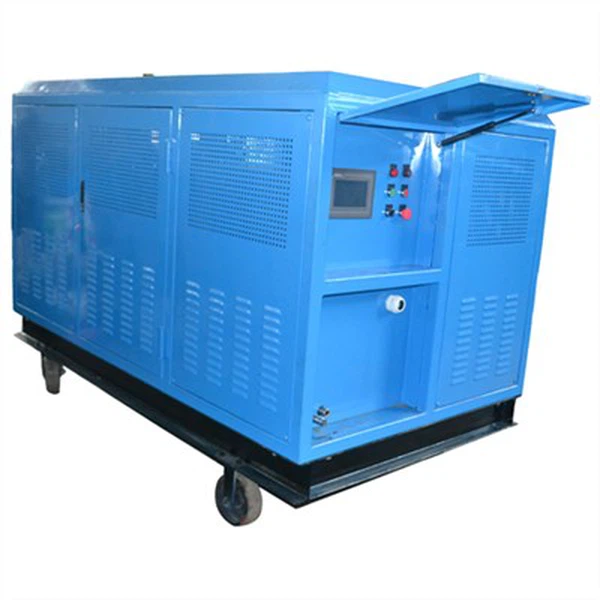
More Sanitary
Cleaning machines use high-powered jets of water and detergent to remove dirt, grime, and bacteria from surfaces. This deep cleaning is more effective than manual cleaning, which can leave behind bacteria and other contaminants. If you're trying to clean a high-traffic area, such as an industrial tank, hospital, or school, it's important to choose a cleaning method that removes as much germs as possible.
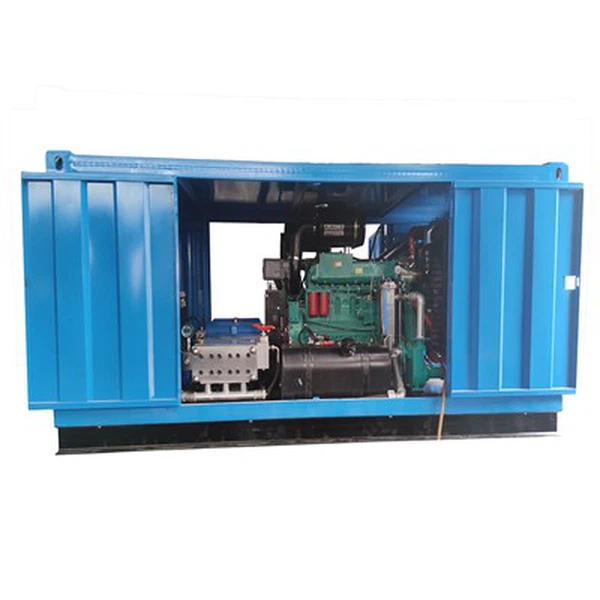
Better Efficiency
You can use the machine to clean large areas in a short time. This is especially useful if you have a large cleaning space or a space that is difficult to reach with a regular cleaning machine. If you have a business, using a machine will only be more efficient and help you get the job done quickly. If there is a cleaning machine on deck, there is no need to close the work area for an extended period of time.

Reduces the Spread of Disease
Cleaning machines can remove contaminants that can cause illness. This is especially important for businesses that are open to the public, such as restaurants, retail stores and hospitals. This reduction in contamination occurs because manual cleaning often fails to remove all dirt and bacteria from surfaces. The effectiveness of manual cleaning depends on trusting the individuals performing the task.
Better Efficiency
You can use the machine to clean large areas in a short time. This is especially useful if you have a large cleaning space or a space that is difficult to reach with a regular cleaning machine. If you have a business, using a machine will only be more efficient and help you get the job done quickly. If there is a cleaning machine on deck, there is no need to close the work area for an extended period of time.

Cost-Effective
In the long run, using cleaning machines is more cost-effective than manual cleaning. You’ll save money on water, detergent, and labor costs. Your business overhead will have a smaller carbon footprint, as well.

Less Physical Activity Required
Using a machine to clean requires less physical activity than manual cleaning, which is important if you have employees with physical limitations or if you want to reduce the risk of injury in your workplace.
Cleaning Machines Specification
|
Name |
IBC Tank Cleaning Hydro Blasting Machine |
|
Model |
GYB-1-30/150 |
|
Rate Pressure |
150bar(2175psi) |
|
Water flow |
30L/min |
|
Plunger diameter |
26mm |
|
Input speed |
1480 rpm |
|
Pump speed |
1480 rpm |
|
Plunger stroke |
21 mm |
|
Electric motor |
5.5kw |
|
Dimension |
1500mm length*1000mm width*1500mm height |
Water Blasting Cleaning Machines: Applications
Harmful residue or deposits can reside on a number of surfaces in your work environments, sometimes contributing to unproductivity or even health risks in the workplace. There are many methods you can utilize to assist in cleaning these surfaces but many of these aren’t as effective as water blasting and can often prove to be too unsafe. For instance, you can use chemicals to get rid of unwanted materials that cling onto surfaces, but by doing so you’re also creating a hazardous environment and can potentially cause damage to the ecosystem. Water blasting, however, can work much more effectively than applying chemicals and it’s a much more eco-friendly alternative. Because of its powerful force, water blasting can deeply penetrate any surface and remove any unwanted deposits. And because only water is used, you won’t have to worry about any unwanted hazardous byproducts causing a hazard in the workplace.
Because of its strength, water blasting is often recognized as a reliable method for construction and demolition. Hydrodemolition often proves itself to be the most useful method needed for construction or demolition purposes. One example is when construction needs to be performed on a bridge. Using any other tool to perform construction on a bridge, such as a jackhammer, would likely damage the structure as a whole (the steel beams that lie deep in the concrete, for example). But by using water blasting, concrete can be carefully removed without sacrificing the soundness of a bridge’s structure. When operators performs hydrodemolition, they’re able to adjust the psi of their nozzles in order to spurt out water that is strong enough to break down concrete but won’t harm any steel structures. Rest assured, water blasting can ensure that the structure of your bridge will still stand.
Other than surface preparation, water blasting is also ideal for performance maintenance on your industrial equipment. This is because water blasting helps tremendously in ensuring your equipment is cleaned entirely without any of its components being damaged during the process. Your industrial equipment is vulnerable to wear and tear and will gain unwanted deposits that will cling onto their surfaces. And in due time, these unwanted deposits will impede tremendously on your productivity and functionality of such equipment. Depending on the size, hand-cleaning such equipment can take a long time and most other methods don’t harness the power of deep cleaning like water blasting. Similar to the process of hydrodemolition, operators can adjust the nozzle on their hose to ensure that no part of the equipment being cleaned is damaged, while still safely removing dirt, grime, and other material.
Maintaining cleanliness in an industrial environment is not just a matter of aesthetics; it’s crucial for the efficiency, safety, and overall well-being of both employees and the facility itself. However, selecting the appropriate cleaning equipment can be a daunting task. Here are some tips to help you make the right choice for your cleaning needs:
1. Assess Your Cleaning Needs
Before you dive into the world of cleaning equipment, take the time to assess your specific cleaning requirements. Are you dealing with a variety of surfaces that demand different cleaning methods? Consider whether you need to tackle challenging messes like chemical spills or sensitive areas that require specialist equipment.
2. Consider Facility Size and Layout
The size and layout of your industrial facility plays a significant role in determining the type of cleaning equipment you need. If you have vast open spaces, large floor scrubbers are likely to be the best choice. Alternatively, if your space has tight corners and narrow passages, compact machines would be more suitable. Don’t forget to consider high-reach tools for cleaning ceilings and walls to ensure a thorough clean.
3. Prioritise Efficiency and Productivity
Efficiency is essential when it comes to industrial cleaning. Look for equipment that can perform the task effectively and productively. Consider the coverage area, speed of operation, water consumption, and drying time. Equipment that supports quick and effective cleaning while being easy to operate can significantly enhance productivity.
4. Emphasise Safety Features
Safety should always be a top priority in an industrial setting. Ensure that the cleaning equipment meets safety standards and incorporates features like anti-slip mechanisms and ergonomic designs to prevent accidents and injuries. Additionally, pay attention to noise levels, as excessively loud machines can disrupt the working environment.
5. Evaluate Maintenance and Durability
Cleaning equipment that’s difficult to maintain can lead to downtime and increased costs. Opt for machines that are easy to clean, service, and maintain. It’s also wise to enquire about the availability of replacement parts and the duration of the warranty. Choosing robust equipment can save you from frequent replacements and repairs.
6. Think Environmentally
A responsible approach to industrial cleaning includes considering the environmental impact of your equipment. Look for machines that are energy-efficient, use eco-friendly cleaning solutions, and minimise water and chemical waste. Consider scrubber dryers that recycle water for the ultimate in sustainable cleaning.
7. Ensure Training and Compatibility
The ability of your cleaning team to be able to operate and maintain the equipment is crucial. Choose equipment that’s user-friendly and compatible with your existing cleaning processes. Cleaning machine manufacturers typically offer free of charge training with all equipment deliveries to ensure your cleaning teams are confident in using and maintaining the machines.
8. Set a Realistic Budget
While investing in quality cleaning equipment is essential, it’s equally important to stay within your budget. Consider both upfront costs and ongoing expenses like energy consumption and maintenance. Compare different options to find the best balance between quality and affordability.
Possible Operating Hazards of High Pressure Water Blasting Cleaning Equipment
Workers are often forced to work in small areas that are difficult to move around in, spaces like tanks or boilers. The hazard here is twofold. Toxic gases or lack of oxygen in a confined space can be fatal if the person in that space becomes trapped or engulfed. Further, any stored material can also pose as a threat because should it fall, workers may find themselves at risk of getting stuck or even being hit.
Workers often find themselves having to remove toxic substances and other chemical by-products from various surfaces. Unless properly fitted with protective clothing and gear, exposure to these substances and abrasives can be lethal or result in debilitating illness or long-term injury.
Aside from confined spaces, working with water blasting equipment can result in working areas becoming wet very quickly, resulting in slippery surfaces, potentially covered with debris, making it very easy for someone to slip and injure themselves.
Harsh working environments are quite common in the industries that utilise water blasting as a method for cleaning. Extreme temperatures, the type of clothing worn and other factors like moisture or humidity (brought upon as a result of water blasting in hot temperatures), can result in a variety of injuries including dehydration, hypothermia, sun stroke, and more.
Health and Safety Tips on High Pressure Cleaning Machines
It’s clear that proper processes and procedures need to be established and implemented so as to safeguard workers using water blasting equipment. Risks need to be identified, described and assessed to determine the type of injuries they could inflict on workers, and control measures need to be put in place so as to effectively manage those risks. Workers then need to be provided with information, instruction and training so as to understand how to protect themselves – how to keep themselves safe by carrying out their duties responsibly and with complete awareness about health and safety measures. Health and safety procedures must be properly communicated to all workers, preferably in written form, so that there is a constant source of reference for those workers to turn to when in doubt.
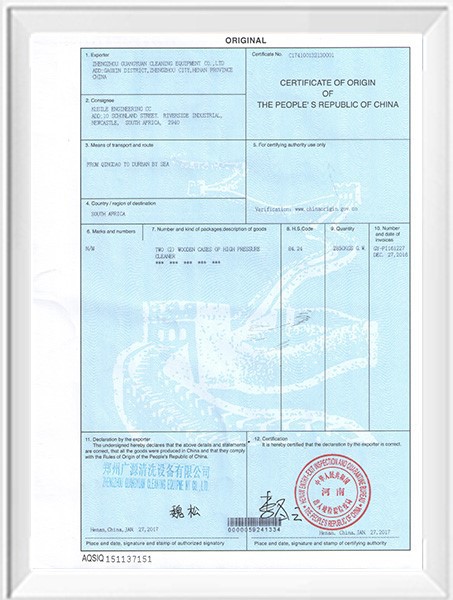
Our Certificate
Our company has obtained the following certificates:



Our factory
Below are photos of our factory:

