As a common reaction equipment in the chemical, pharmaceutical and other industries, the accumulation of dirt inside the glass-lined reactor is inevitable. The types of dirt usually include scale, reactant residues, chemical precipitation, grease, resin substances, etc. In order to ensure the normal operation of the reactor, improve the reaction efficiency, and extend the service life of the equipment, regular cleaning is very important.
1. Common types of dirt inside glass-lined reactors
A. Scale: When the water or solvent used in the reactor contains calcium or magnesium ions, scale may form during the heating process, especially in high-temperature reactions;
B. Reaction residue: Solid precipitates or incompletely reacted substances (such as powders and crystals) generated during the reaction may adhere to the reactor wall;
C. Grease or resin deposits: For organic synthesis reactions, polymerization reactions, etc., the reaction products may contain grease, resin or other sticky substances, which are easy to adhere to the glass-lined surface of the reactor;
D. Acid-base deposits: The reaction products or residues of acidic and alkaline substances may form deposits on the inner wall of the reactor, affecting the cleanliness of the reactor;
E. Metal oxides: When metal catalysts are used in certain reactions, the oxides or reaction products of the catalyst may also adhere to the inside of the reactor.

2. Common cleaning methods for the inside of glass-lined reactors
Regular cleaning and descaling are important steps to ensure the normal operation of the reactor, improve equipment life and reaction efficiency. The following are some common methods for descaling the inside of glass-lined reactors:
A. Chemical cleaning: First analyze the composition of the scale sample, select the appropriate cleaning agent for cleaning, and at the same time, you need to master the cleaning time, otherwise it is easy to cause irreversible damage to the glass-lined reactor, and a lot of water needs to be wasted during cleaning.
B. Manual cleaning: Low cost, but low efficiency, and general cleaning effect. In addition, glass-lined reactors are generally used for reactions with corrosive raw materials due to their good corrosion resistance. Therefore, manual cleaning has certain safety hazards and is not recommended.
C. Mechanical cleaning: Use a high-pressure cleaning device to use the huge impact force of high-pressure water jets to scour, crush and remove the scale. This method is efficient, clean, safe and environmentally friendly, and is suitable for mechanized and automated cleaning.
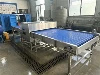
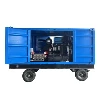
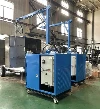
Guangyuan Cleaning Equipment Glass-lined Reactor Automatic Cleaning System combines multidisciplinary technologies or applications such as high-pressure water jets, pipeline engineering, and modern control systems. It integrates high-pressure water jet cleaning technology with automated control systems to achieve 360° high-pressure water jet automatic cleaning without dead ends inside the reactor.
The automatic cleaning system of the glass-lined reactor of Guangyuan Cleaning Equipment adopts PLC automatic control. It only needs one button to start when cleaning. The telescopic mechanism leads the three-dimensional cleaner into the reactor. The high-pressure water pump produces high-pressure water to drive the three-dimensional cleaning nozzle to rotate 360 degrees. The telescopic mechanism moves in the reactor and can avoid the stirring shaft, stirring paddle and other parts inside the reactor. The compound movement of the three-dimensional rotating nozzle and the telescopic rod can achieve 360° cleaning without dead angles and thorough deep cleaning of the reactor. It solves the problems of low automation, time-consuming and labor-intensive, and easy to cause personal injury in the existing cleaning methods.