


Pressure Washer
Why Choose Us?
Variety of Products
We can design, customize and manufacture high-pressure cleaners, industrial cleaning machines, sewer drain cleaning machines, high-pressure pumps, pressure test pumps, automatic cleaning systems, etc. for customers. We can also provide a variety of related accessories.
Wide Range Of Applications
Our cleaning machines can be used in industrial and commercial cleaning applications. They can meet various needs such as commercial surface dirt cleaning, industrial pipe/pipe/tank cleaning, hull rust removal and painting, sewer drain cleaning, pipe/valve pressure testing, concrete surface roughening, concrete cutting, etc.
Advanced Production Equipment
Our factory is equipped with many advanced production equipment such as lathes, grinders, plate rolling machines, punching machines, and electric welding machines. We also conduct strict quality testing on our products to ensure they meet customer requirements.
Professional Service
We have a professional team to provide professional introduction and product recommendations. After the machine is manufactured, we will provide pictures and test videos for confirmation. In addition, we have a professional technical team to provide technical support to customers, and customers can enjoy our one-year warranty service.
What is Pressure Washer?
Pressure washer is a high-pressure mechanical sprayer used to remove loose paint, mold, grime, dust, mud, and dirt from surfaces and objects such as buildings, vehicles and concrete surfaces. A Pressure Washer uses a high-pressure washing system to clean dirt, debris, and grime from hard surfaces. Pressure Washers check the water supply, maintain safe pressure washer handling practices, remove rubble from the work area, and ensure that the water pressure is appropriate for surface preparation, sidewalk cleaning, and building restoration.

These power washers come standard with a special venturi head, sand pickup tube, and sand point. All of these components work together to provide the user with the ability to actually remove layers of material from surfaces.

Industrial High Pressure Pipe Cleaning Equipment
Environmental safety - No chemical discharges or hazardous waste removal. Custom designed cleaning nozzles, which offer full 360° inner diameter cleaning without streaking tube. Multiple lance systems - up to 8 (or more) operators for fast cleaning of large main condensers. Minimize radioactive waste with our active shutdown pressure control system.

Industrial Heat Exchanger Cleaning System
Specialized cleaning nozzles, such as rotary nozzles or flat spray nozzles, are inserted into the heat exchanger pipes. These nozzles are designed to deliver high-pressure water jets in a controlled pattern to effectively remove deposits and fouling.

Water Jet High Pressure Washing Machine
The machine is designed to generate a high-pressure stream of water that can be directed towards the surface to be cleaned. The pressure can range from hundreds to thousands of pounds per square inch (psi) depending on the machine's capabilities.

High Pressure Water Blasting Machine
High pressure water jet pump:Equipped with a powerful pump capable of generating high water pressure, typically ranging from 1,000 to 40,000 pounds per square inch (PSI), or higher, depending on the specific model.

Ultra High Pressure Hydro Jet Blasting Machine
Our hydro jet blasting machine delivers unparalleled cleaning performance with high-pressure water jets, capable of removing stubborn dirt, grime, paint, rust, and more from a variety of surfaces.

3D Rotating Automatic Oil Tank Cleaning System
Discover the future of tank cleaning with our state-of-the-art 3D Rotating Water Jet Automatic Oil Tank Cleaning System. Engineered to deliver unparalleled efficiency and precision, this cutting-edge solution ensures a thorough and hands-free cleaning process, revolutionizing oil tank maintenance for enhanced productivity and safety.

Power Plant Condenser Cleaning Equipment
Introducing our High Pressure Water Jet Industrial Condenser Cleaning Equipment, a game-changing solution designed to revolutionize condenser cleaning in industrial settings. With unmatched power and precision, this advanced equipment ensures optimal heat exchange efficiency, reduces downtime, and maximizes the performance of your condenser system.

Hydro Water Jet Pressure Machine
Our hydro water jet pressure machine redefines industrial cleaning and maintenance by harnessing the power of high-pressure water jets. This advanced equipment is engineered to deliver superior cleaning performance, efficiency, and versatility, making it an indispensable tool for a wide range of industries.

Time-saving
High-pressure car washers can clean your car much faster than traditional methods, saving you time and effort.
Efficient cleaning
The high-pressure water jets can blast away dirt, grime, and other contaminants that traditional methods may struggle to remove.
Water conservation
High-pressure car washers use less water compared to traditional car washing methods, making them an environmentally friendly option.
Better for your car's paint
Using a high-pressure car washer can reduce the risk of scratching or damaging your car's paint by eliminating the need for abrasive scrubbing.
Versatility
High-pressure car washers come with different nozzle attachments that allow you to adjust the pressure and spray pattern to clean different parts of your car effectively.
Types of Pressure Washer
Diesel Engine
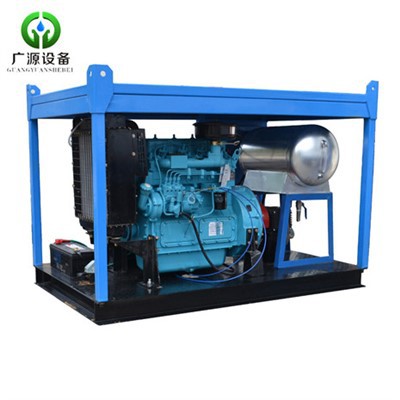
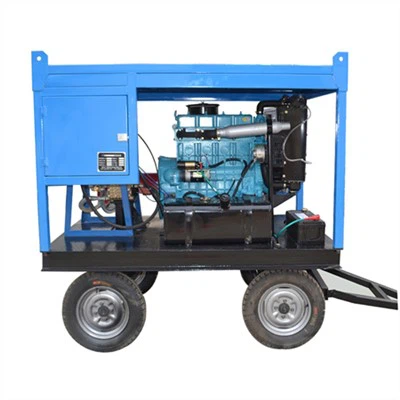
Diesel engine pressure washers are suitable for medium and heavy duty work. The pressure washer uses diesel to fuel the high pressure pump. Because it generates fumes, it is not suitable for indoor use. Diesel engine pressure washers are available as both hot water machines, and cold water machines.
Petrol Engine
Petrol engine high pressure washers are similar in design to diesel engine pressure washers. These high pressure washers use the petrol as the main source of fuel to power the high pressure pump. They are suitable for medium and heavy duty cleaning tasks. They also generate fumes and are also only for outdoor use. Used mainly on building sites and on mines, or by plumbers who need the high pressure from the water to flush and clean out drains.
Electric Motor
Electric pressure washers need to be connected to either 380v or 525v power, depending on what is available or for which voltage the high pressure washer has been manufactured for.
Application of Pressure Washer


Driveways
Foot traffic, auto fluids, pollen, leaves, chemicals, and outdoor grime collect on your driveway over time and even eat away at the compounds that bind the concrete or asphalt. Pressure washing away the dirt and oil preserves the integrity of the driveway and also increases your home's curb appeal and value.
Fences
Wood and vinyl fences get grimy and mildewy as well. A good pressure washing can add years to your fence and further increase your home's curb appeal.
Outdoor Furniture
Your deck and patio furniture get dirty and dingy over time. It can also develop mold and mildew and begin to smell. Clean it early in the warmer months by washing it at low pressure, making sure not to damage it.
Garbage Cans
The awful smells of rotting food and gunk from your garbage cans make cleaning them unappealing, but you can't put it off forever. Using a pressure washer to clean them will remove gunk more effectively and more quickly than a garden hose.
Garage Floors
Your garage floor probably took some damage over the years from oil stains, tire marks, and shoe scuffs. Use a low-pressure setting as a degreaser. After a few minutes, switch to a higher pressure and rinse everything off.
Walkways
Cleaning your walkways using your pressure washer's scrub brush or surface cleaner (both of which are good for flat surfaces) removes dirt, grime, and mildew. It also clears out weeds and overgrowth between the bricks.
Decks and Patios
Patios or wood decks can deteriorate from debris, so pressure washing at a low setting (to avoid damaging the wood surfaces) helps refurbish them.
Components of Pressure Washer
A pressure washer is a simple machine whose function is to simply pump water with the help of an electric motor. It uses water from the tap and then uses pressure to accelerate the water to very high speed via a hose fitted with a trigger gun. Hence, the various parts of the pressure washer.
Water Inlet
It is a hose that acts as a connector between the pressure washer and the main supply of water. It is fitted with a filter that stops the entry of dirt and external particles from entering the washer and blocking the machine. If this debris enters the washer it can damage the whole machine. It is also dangerous as pressure would catapult the debris out, which can harm humans or property.
Electric motor or gas engine
The smaller pressure washers are usually run on electric supply, but the bigger ones run on gasoline. The power typically is around 3-5 kW/ 3.5-5.5 HP. The work which is located outside or off home locations like workshops require a gasoline engine.
High Pressure Hose
This is the tube that runs out from the washer to whatever cleaning attachment you have decided to use. An ordinary bit of tubing would not be able to survive the high-pressure of the water flowing through it. High-pressure hose is reinforced with wire mesh and has two or more layers of high-density plastic. It is important to use a hose that has a higher pressure rating than the pump in your pressure washer but if your washer came with your own hose, there should not be anything to worry about. Typically, the safety margin on pressure-washer hoses is about 300 percent, so if your washer is rated at 2000 psi, your hose should be able to withstand pressures of at least 6000 psi.
Water Pump
This is the heart of a pressure washer. It is a bit like a hand-operated ground-water pump -only it is driven at high speed by the electric motor (or gas engine) instead of your hand. When the engine pulls the pump one way, it sucks water in from the faucet; when it pushes the pump the other way, the water squirts out in a high-pressure jet. Pumps are designed to handle a water flow of around 1–2 gallons (4–8 liters) per minute.
Cleaning Attachment
Depending on what you are cleaning, you can switch from a simple trigger gun (essentially just a valve that lets water through only when you squeeze the handle) to a spinning wand spray or a rotating brush to scrub your drive. Powered attachments are driven by the force of the water flowing through them.
Pressure washers are part garden hose and part air compressor. A typical pressure washer has either a gas-fueled engine or electrical powered motor that powers a water pump. The pump accelerates the water, supplied from a garden hose, to produce high pressure. The washer is hooked to a high pressure-rated hose. At the end of the hose is a water gun that looks similar to the pressure guns used at car washes. When the trigger is pulled, the water mixes with the air and comes out of the nozzle.
Pressure washers can aggressively blast things clean with water jets pressurized at about 75 times the pressure of a garden hose. Or, they can gently spray with lower pressures for delicate cleaning. Pressure washers are commonly rated by Pounds per Square Inch (PSI) which gives power to penetrate the dirt and grime. and Gallons per Minute (GPM) which gives you the power to break down dirt and wash it away.
When choosing the best pressure washer for your needs, there are two general cleaning terms to understand. Overall cleaning performance is determined by how these work together. The higher the numbers, the faster you can clean.
Key Features of a Pressure Washer
Power
How close is the pump's power source? For washing cars, electric pressure washers are the best. Also, electric high pressure washers utilize a high amperage in their motors to deliver a PSI of about 2,000, which is an ideal pressure for washing cars. Diesel pressure washers deliver a higher PSI rating and are more suitable for car detailing when you want to remove old paint from a car.
Nozzle
The nozzle size largely affects the amount of water coming out of the spray gun. Sometimes you may want a narrow spray for a light cleaning job or a powerful spray to remove the toughest grease stains. Keep in mind that there are critical parts of your car that a powerful spray could damage. You should, therefore, go for a pressure washer with an adaptable nozzle so that you can adjust the width of the spray to suit the cleaning task.
Hose Length
The appropriate length of the hose in a high pressure washer is about 10 metres. Anything less will have you constantly knocking down the pressure washer. On the other hand, if the hose is too long, it will be an inconvenience when you want to move around the pressure washer. If your pressure washer is in a fixed position, or mounted on a trailer, it is ideal to invest in a hose reel, manual or retractable, to keep your hose neat, and safe.
When it comes to pressure washers, the majority of them are electric-powered, making them suitable for a wide range of tasks, from cleaning sports equipment to large driveways. It's as simple as plugging the main unit into an outdoor power socket with RCD (residual current device) protection, and you're good to go.
With an electric pressure washer, you always have the convenience of instant readiness, as long as you're within reach of a power supply. Plus, if you need to extend your working area, you can easily use an outdoor extension lead that is designed for outdoor use and protected from water splashes.
While electric pressure washers are popular, there are also petrol-powered options available. These are less common but offer their own advantages, especially if you have a larger garden or frequently need to use your washer away from home. With a petrol-powered washer, you're not restricted to a power supply, which is great for expansive outdoor spaces. Additionally, you won't have to worry about trailing power cables, reducing the risk of accidents.
Petrol-powered washers are often high-powered, making them suitable for tackling tougher cleaning jobs. However, it's important to ensure you have sufficient fuel on hand whenever you want to use it. Investing in a sturdy fuel container will allow you to safely transport the fuel whenever needed.

Step 1: Clear the area
Remove any furniture, plants, or debris from the deck surface. Make sure to sweep away loose dirt and leaves using a broom or leaf blower.
Step 2: Prepare the pressure washer
As mentioned before in pressure washing patios, you'll need to connect the garden hose and power cable to the pressure washer. Test the pressure on a small, suitable area to ensure it's suitable for the decking material.
Step 3: Wet the deck
Use the pressure washer to wet the deck surface, starting from one end and working your way across. This will loosen all debris and allow better cleaning results for the cleaning process.
Step 4: Apply detergent
If there are stubborn stains or algae, apply a suitable deck detergent according to the manufacturer's instructions. Allow the detergent to sit for a few minutes to break down any dirt and build-up.
Step 5: Pressure wash
Using a wide-angle nozzle tip, pressure wash the decking boards in even, sweeping motions. It's a good idea to maintain a consistent distance and angle to avoid damaging the wood, as spraying randomly all over the place may wear down the ridges and spread dirt around further.
Step 6: Rinse and dry
Switch to a wider spray pattern and thoroughly rinse the deck, starting from the far end and moving towards the water source. Then sit back, relax, and allow the deck to dry completely before replacing furniture or walking on it.
When it comes to pressure washers, it's worth knowing about the three different motor types they come with. While it's not something you need to overly stress about, having some understanding can be helpful in making an informed choice.
First, there's the brush motor. These motors have brushes that are constantly in contact with the rotating part, which can lead to friction, reduced efficiency, and increased wear and tear over time.
Then, there's the universal motor. This type is known for its simplicity, compactness, and high speed. However, it's worth noting that universal motors tend to be noisier and have a relatively shorter lifespan compared to other motor types.
Lastly, we have the induction motor. This is a more complex motor option that typically runs quieter and has a longer lifespan. It offers durability and reliability, making it a preferred choice for many pressure washer users.
Considering the motor type can help you choose a pressure washer that suits your needs and ensures optimal performance for your cleaning tasks.
How to Pressure Wash Your Car
Pressure washing to clean your car can save a lot of time and effort compared to traditional washing methods. However, using the correct technique is crucial to prevent damage to the vehicle's paintwork or delicate surfaces. This section will provide step-by-step instructions on how to safely pressure wash your car, covering topics such as pre-washing, pressure settings, nozzle selection, and effective rinsing techniques.
Step 1: Choose a suitable pressure washer
For cleaning vehicles, choose a washer with a low-pressure setting (around 1200-1900 PSI) and a wide spray angle to prevent damage to the car's paint.
Step 2: Rinse the car
Begin by rinsing the car with clean warm water using the pressure washer. Start from the top and work your way down, ensuring the entire car is wet and ready for cleaning products.
Step 3: Apply car detergent
Dilute a suitable car detergent or car shampoo as per the manufacturer's instructions. Apply it to the car's surface, focusing on the lower areas with more dirt and grime. Let the detergent sit for a few minutes to loosen the dirt.
Step 4: Pressure wash
Switch to a nozzle tip with a narrower spray angle for more focused cleaning. Starting from the top, work your way down the car, using gentle sweeping motions. Keep a distance of about 1-2 feet from the car's surface, to protect the surface and avoid getting soaked!
Step 5: Rinse thoroughly
Switch back to a wider spray pattern and rinse the car from top to bottom. Make sure all detergent or soap is rinsed away to avoid leaving any residue!
Step 6: Dry the car
Use a chamois leather cloth to dry the car's surface, starting from the top and working your way down. This helps prevent water spots and streaks and will leave your car looking brand new.
Tips for Getting the Most from a Pressure Washer
Make Sure All Connections are Secure
Before you start using your pressure washer, make sure all hose, for water and air, connections are secure. If there are any leaks, the washer won't work properly. Of course, also check to make sure the power cord is also firmly attached to the outlet.
Turn the Water Source Completely On
Obviously, you're going to need a water supply if you are using a model that requires you to attach it to a water source, turn the faucet completely on. You can adjust the pressure on the machine, but it will need the faucet's full allowance of water to work well.
Attach Nozzles While the Pressure is Locked and Off
If you are using special attachments, add them to the nozzle while the pressure washer is off and locked.
Protect Nearby Plants, Equipment and Building Features
Clear the area as much as possible and protect things like plants, equipment, light fixtures and fragile building features with tarps. Be careful not to aim the washer at these items as you work.
Start on a Low Setting
Always make sure the pressure washer is on its lowest setting when you turn it on. This will allow you to slowly increase pressure safely and as needed and will prevent kickback, which can be dangerous.
Hold the Nozzle at an Angle
As you use the pressure washer, do not aim it directly at the items you are cleaning. Instead, hold it at an angle to wash dirt and debris away, rather than against the surface.
Use Up and Down Motions
When you clean a surface, start at the bottom and move upward, and then guide the spray down over the same area to rinse it off. Continue with this motion until you have cleaned the entire surface.
How to Choose the Best High Pressure Washer?
When it comes to choosing the best high-pressure car washer, there are several factors that you should consider to ensure that you get a unit that meets your needs. Here are some tips to help you choose the best high-pressure car washer:
Consider the pressure
The pressure of the unit is one of the most important factors to consider. You should look for a unit with a pressure rating. This will ensure that it is powerful enough to remove dirt and grime from your car.
Look for adjustable nozzles
A good high-pressure car washer should have adjustable nozzles that allow you to adjust the spray pattern and pressure to suit your needs. This feature will allow you to clean your car more efficiently and effectively
Check the water flow rate
The water flow rate is another important factor to consider. A higher water flow rate will allow you to clean your car faster and more effectively. Look for a unit with a flow rate per minute.
Consider the power source
Car pressure washers are available in electric and gas-powered models. Electric models are quieter and more affordable, while gas-powered models are more powerful and portable.
Look for additional accessories
Some high-pressure car washers come with additional accessories and features such as built-in soap dispensers, adjustable pressure settings, and hose reels. Consider these features when choosing a unit.
Read reviews
Read reviews from other washing studio owners who have used the machine you are considering. Whether the reviews are bad or good, you can get a better understanding of the machine's performance and reliability.
Electric pressure washers usually start with a simple push button feature. Once everything is hooked up properly, just flip the switch, and you'll be ready to go.
To start a gas-powered washer:
Clean any debris from the inlet filter.
Connect any accessories.
Run water through the washer for one minute to prime the system and remove any air.
Squeeze the spray wand trigger to bleed water pressure.
Pull the starter cord to start the engine.
For the best cleaning results without damaging any surfaces, first, test the pressure setting and spray pattern on an inconspicuous place.
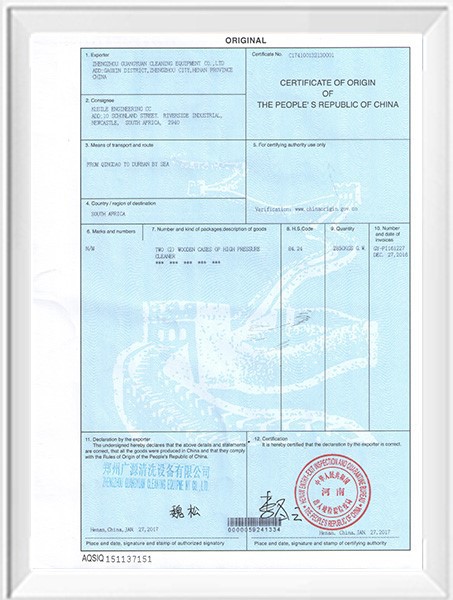
Our Certifications
Our company has obtained the following certificates:



Our Factory

We are professional in the design, manufacture and production of high pressure cleaning machine, water blaster, high pressure pump, cleaning system customization etc. Our cleaning machine can be applied in both industrial and commercial cleaning.

Ultimate FAQ Guide to Pressure Washer
Hot Tags: pressure washer, China pressure washer suppliers, factory, high pressure cleaner, , petrol engine sewer pipe cleaner
You Might Also Like


Send Inquiry