


Electric Cleaner
Our company was established in 2012 and is committed to developing market brands in the field of high-pressure water jets.
Variety of Products
We can design, customize and manufacture high-pressure cleaners, industrial cleaning machines, sewer drain cleaning machines, high-pressure pumps, pressure test pumps, automatic cleaning systems, etc. for customers. We can also provide a variety of related accessories.
Wide Range of Applications
Our cleaning machines can be used in industrial and commercial cleaning applications. They can meet various needs such as commercial surface dirt cleaning, industrial pipe/pipe/tank cleaning, hull rust removal and painting, sewer drain cleaning, pipe/valve pressure testing, concrete surface roughening, concrete cutting, etc.
Advanced Production Equipment
Our factory is equipped with many advanced production equipment such as lathes, grinders, plate rolling machines, punching machines, and electric welding machines. We also conduct strict quality testing on our products to ensure they meet customer requirements.
Professional Service
We have a professional team to provide professional introduction and product recommendations. After the machine is manufactured, we will provide pictures and test videos for confirmation. In addition, we have a professional technical team to provide technical support to customers, and customers can enjoy our one-year warranty service.


The powerful cleaning action of an electric cleaner comes from its electric pump, which forces high-pressure water through concentrated nozzles, helping to break down tough stains such as grease, tar, rust, plant residue and wax. It uses narrow jets of high-pressure hot or cold water to remove dirt. Because the water flows so quickly, it hits dirty surfaces with high kinetic energy, knocking dirt and dust off like the constant hammer blows of a small hammer. It's just water, though, so it won't damage most hard surfaces. Before starting work, it's a good idea to test your pressure washer on an inconspicuous area to make sure it won't damage the surface you're cleaning. Always read the instructions before using a high-pressure electric cleaner!
Features of Electric Cleaners
Quiet
The noise of an electric cleaning machine is only about 78 decibels, which is similar to a traditional cleaning machine. This means you don’t have to worry about wearing hearing protection when using powered devices. Additionally, they are more suitable for environments where noise needs to be kept to a minimum, such as hospitals and schools.
Light
Electric pressure cleaners are much lighter than gas-powered units because they do not have a heavy gasoline engine or fuel tank. Entry-level electric pressure cleaners have a smaller footprint. This makes them easier to maneuver around corners and tight spots. However, since electrical equipment needs to be plugged into a power source, it must be used near a power source. Fortunately, you can buy hose extensions to get into hard-to-reach areas.
Safety
All-electric high-pressure cleaners do not require diesel or natural gas to operate, and they do not emit toxic fumes that can be harmful to your health and the environment. Unlike gas models that can only be used outdoors or in well-ventilated areas, all-electric high-pressure cleaners can be used safely indoors and in enclosed spaces. This makes them ideal for the manufacturing and food processing industries.
Less Maintenance
Electric pressure cleaners require little maintenance because they don’t have many moving parts. Gas pressure washers, on the other hand, require regular cleaning and engine maintenance.
Easy to Use
Simply press a button to start the electric high-pressure cleaner. Another great thing about electric pressure washers is that you can just plug it in and start working. In contrast, gas washers need to be filled with fuel before use.
Affordable
Electric pressure cleaners have lower initial costs than pneumatic models. Plus, you don’t have to spend money on fuel or oil, saving you a lot of money in the long run.
Advantages of Electric Cleaners
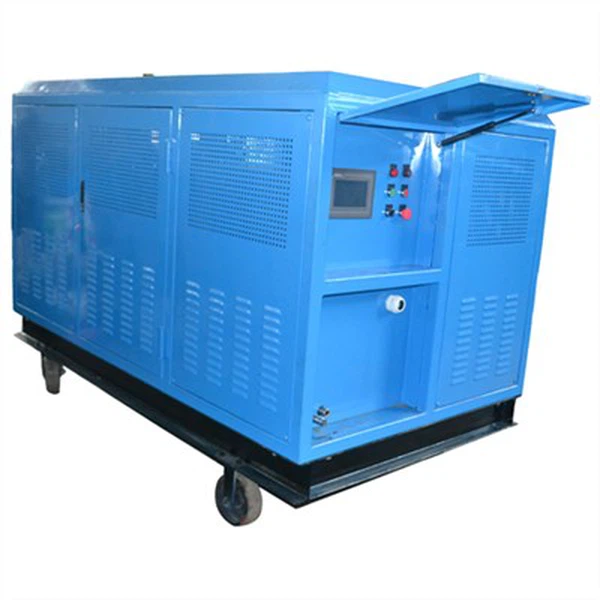
Efficient Cleaning
One of the primary advantages of using a high pressure electric cleaner is its ability to efficiently and thoroughly clean various surfaces. This efficiency is a time-saver, especially when dealing with large areas like driveways, decks, or industrial equipment.
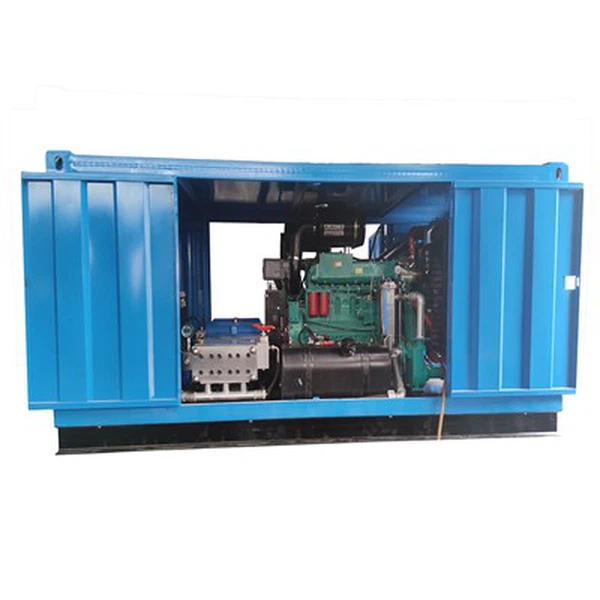
Time-Saving
Electric Cleaner is designed to get the job done quickly. The powerful jet of water can strip away years of dirt and debris in a matter of minutes, significantly reducing the time and effort required for cleaning.

Cost-Effective
While the initial cost of a high-pressure electric cleaner may be high, it pays off in long-term savings by reducing the need for professional cleaning services. With proper maintenance and the addition of innovative accessories, your pressure washer becomes a versatile and cost-effective solution for various cleaning tasks.

Cleans Tough Stains
Pressure Electric Cleaners come with different pressure settings to handle light/medium/heavy duty tasks. Tough stains like oil, grease, or grime fall in the line of heavy duty tasks, which a high pressure washer can blast off your car. High pressure washers come with accessories like rotating nozzles, sandblasting nozzles, chemical injectors, etc, that make removing tough stains, paint, cement, etc, an easy job.
Electric Cleaners Specification
|
Model |
Rate pressure |
Water flow |
Diesel engine |
Electric motor |
|
GYB-1/300 |
30Mpa/300bar |
23 L/min |
28HP |
15kw |
|
GYB-1/500 |
50Mpa/500bar |
23 L/min |
33kw,4-cylinder |
22kw, 3 phase, 380v/50Hz |
|
GYB-3/700 |
70Mpa/700bar |
22 L/min |
54kw,4-cylinder |
37kw, 3 phase, 380v/50Hz |
Electric Cleaners: Applications
Electric cleaner is an excellent way to clean all your tenacious patches of dirt from industrial and commercial areas. It can be used in a wide variety of applications such as Food Industries, Automobile Service stations, Pavements, and Washrooms.
Regular maintenance in these sectors is a top priority. At first, equipment may look clean, but actually, it requires high standards of cleanliness. To remove the residues from these surfaces, high-pressure jet electric cleaner is an ideal solution that helps to minimize harmful bacteria and germs in the food industry. In addition, removing fatty and oily contaminants in the food processing unit is not an easy task and it needs additional attention. So using a High-Pressure Jet Cleaner, especially hot water, does not mean only cleanliness but also is an essential tool for reducing germs.
Modern cars require advanced care and service to maintain longevity in providing efficient performance for a longer period. It is very much essential to clean every single square in on the surface to ensure the vehicle is lustrous. So, these High-Pressure Jet Cleaners can produce enough force to take care of the process effectively. Grease and stains caused by undergoing several tasks can be a sign of good work done by the caretaker, but it’s wise to keep this clean constantly. In this case, high-pressure jet electric cleaner pressured stream of free-flowing liquid can do the job for you.
Keeping these areas can be such a laborious task. Because unlike previous mentions these parts of the building are larger in size and keeping them clean on a daily basis is of utmost significance in a place filled with people. With the use of high-pressure jet cleaners, the job can be done in a swift with proper accuracy in the eradication of microorganisms. Also, it’s quite easy to get the work done within a short span.
Here are some of the main factors you need to consider when choosing a electric cleaner:
Hot or Cold Water
The next thing you want to consider when choosing a pressure washer, is whether you need hot water, or cold water. There are benefits to both and the choice largely depends on what you will be cleaning. One of the reasons the cold-water machines are so popular is the obvious low up-front cost compared to hot water, due to the fact they don’t have a burner or a heating coil that hot water units require to generate the hot water. Another advantage of the cold pressure cleaners is that they are more practical in the sense they are smaller and effortless to move around in most cases. If you are going to be cleaning grease, grime and oils off surfaces regularly, you’ll probably find your money better spent on a hot water machine instead. Although hot water machines have a higher up front cost compared to a cold water machine, using hot water can be more cost effective in the long run because you won’t need to regularly purchase chemicals or accessories for tougher cleaning. Hot water is faster at cleaning than a cold-water pressure cleaner, due to the fact the heat of the water breaks down the substances rather than pushing them around on a surface, cleaning the surface a lot faster. On top of this, hot water breaks down grease and oil quickly and efficiently at a rate not comparable even by chemical. This makes them very popular for any form of machinery cleaning.
Specifications
There are many terms you will come across when looking at pressure washers. PSI, LPM and RPM are abbreviations you will hear regularly, and are all critical things to consider when making your purchase.
*PSI: Pounds per Square Inch
The pressure put out by a pressure cleaner is measured in PSI (pounds per square inch) or BAR. PSI is a critical consideration in the choice of a pressure cleaner because the pressure put out by the pressure cleaner, impacts directly on the cleaning performance. Not enough pressure and you’ll end up scrubbing, too much pressure and you can say goodbye to your paintwork. The requirements can vary depending on what you are using the pressure cleaner for.
*LPM: Litres per Minute
LPM litres per minute measures how much water your pressure cleaner puts out per minute. A common misconception is that PSI is the most important factor in determining the length of a cleaning operation. However LPM (or flow) actually has a far greater impact on cleaning performance. For example, you wouldn’t try to put out a fire by throwing a cup of water at it, you would want a larger amount of water. It’s the same with pressure cleaning, a higher flow of water washes away material, much faster than a lower amount. While a high PSI ensures you loosen the dirt, it’s the high flow that removes it. The more dirt or grime you are trying to remove, the higher you want the flow to be.
*RPM: Revolutions per Minute
In the simplest terms, RPM refers to how hard the motor is working. A higher RPM (3400+) tends to be associated with domestic machines. These machines are not designed to work for long hours. The motor works harder when it is working and the machine will have a shorter lifespan than a machine designed to work longer hours. Midrange RPM’s (2800) tend to be used by commercial machines, designed to operate for longer periods than domestic, but still not continuously. Low RPM machines (1450) are the kind used for industrial applications. Running 8+ hours per day. These machines need to keep running for an extremely high number of hours and are built to suit.
Nozzle
Nozzles are something that often, not a lot of thought goes into when purchasing a pressure cleaner. The nozzle in the end of your pressure cleaning lance, sets the degree of a fan you get in the spray combined with the physical force the spray hits at. There are several types and the applications you clean may prompt you to purchase several with different fans for various purposes. IMPORTANT NOTE: Never change the nozzles on your pressure cleaning lance while the machine is running, this can cause injury and even death.
Store It Dry
The first rule of high-pressure washer maintenance is always to store it somewhere dry. Moisture is the enemy of any machine, and pressure washers are no exception. After each use, be sure to towel dry the washer if it got wet during cleaning. Let any remaining water drain out of the hoses and the pump. Before storing, run clean water through the system to flush out any soap or chemicals left over from washing. This prevents those substances from building up inside the components. Wait for the washer to fully air dry before putting it into storage. Keep the pressure washer out of direct sunlight and away from extreme temperatures. A garage, shed, or basement are ideal storage spots. Laying a tarp over the washer provides extra protection. Storing your pressure washer properly prevents corrosion, mold buildup, and freezing which can damage the pump and internal parts.
Clean the Nozzle
The nozzle is the pressure washer part that forms the high-pressure stream of water. It’s a simple piece but crucial to the washer’s cleaning power. Mineral deposits, dirt, and debris easily clog nozzles over time. A clogged nozzle causes uneven spray patterns and reduced water pressure. Inspect the nozzle before each use. Remove any obstructions with a needle or blast it with water. Fill a bucket with clean water or a special nozzle-cleaning solution for a deep clean. Immerse the nozzle and use the needle to dislodge any grit. Rinse it thoroughly before reattaching it. Replace the nozzle immediately if it ever appears cracked, warped, or misshapen. Damaged nozzles intensify wear on the pump.
Flush the Detergent Siphon
If your pressure washer has a soap application feature, maintaining the detergent siphon system is necessary. After each use, fill the siphon bottle or reservoir with clean water. Pump the water through for one minute to rinse out any leftover soap or chemicals.
Check and Change the Filters
High-pressure washers have one or more filters to catch debris in the water supply. Filters protect the inner workings from damage. Examine filters before each use. Remove any debris trapped in the mesh. Soak heavily soiled filters in mild detergent and scrub with a brush. Rinse thoroughly before reinstalling. Replace disposable filters at least once a season. Reusable filters should be swapped out whenever they appear cracked, misshapen, or not cleaned.
Inspect Hoses and Fittings
Pressure washer hoses endure a lot of bending, pulling, and weathering during use. Inspect them before each washing session. Check for cracks, leaks, kinks, or bulges in the hose. Also, examine where the hose connects to the trigger gun and washer. Replace any hose that shows wear, leaks, or damage. Swap out fittings if the connections feel loose. Leaking hoses and fittings result in a major loss of water pressure. Between uses, coil hoses neatly to prevent kinks from forming. Store hoses indoors when possible to extend their lifespan.
Maintain the Pump
The pump generates the high-pressure water stream that makes pressure washing possible. As such, it’s the heart of the machine. Proper pump maintenance goes a long way toward preventing breakdowns. Before use, check pump oil and cooling fluid levels if your model requires it. Refill as needed with manufacturer-recommended oil. Change pump oil at least once a season. Inspect pump fittings and mounting bolts. Tighten any that are loose to avoid vibration damage. Listen for unusual pump noises like squealing or rattling, which may indicate a problem. Don’t let the pump run dry or overheat. Both can cause internal damage. Shut the pressure washer off immediately if the pump starts running dry.
Clean the Water Inlet
Hard water full of minerals passes through the inlet on its way to the pump. Those minerals eventually build up and clog the inlet, reducing flow. Every 10-20 hours of runtime, clean the water inlet with a descaling solution or white vinegar. Circulate the solution through the system, then flush it with clean water. Inspect the inlet screen and remove any debris caught in it. A severely clogged inlet will cut washing performance.
Wash the Exterior
Don’t neglect the outside of your pressure washer. Buildups of dirt, mud, and grime make the washer harder to handle and can obscure important labels and controls. Wipe down the exterior after each use with a damp cloth. Use a mild detergent and scrub brush on heavily soiled areas for a deeper clean. Avoid spraying the pressure washer with its own wand. The high-pressure stream can damage components. Proper exterior washing keeps the washer looking like new for years.
Maintain the Motor
Electric pressure washer motors require minimal routine maintenance. However, they do need occasional attention.
*Inspect motor vents and cooling fins. Use compressed air to blow out any dust, dirt, or debris that may obstruct airflow.
*Check for leaks around the motor housing. Reapply motor sealant if needed to prevent moisture intrusion.
*Listen for abnormal motor noises like screeching or grinding. Have an authorized service center inspect unusual sounds right away. They may indicate internal wear.
*Well-maintained electric motors provide reliable power washer operation for ages. But let a professional handle any major motor repairs.
Safety Tips on Diesel Cleaners
Reading a manual can often be stigmatised as a waste of time, however pressure cleaners can be dangerous, and the manufacturers put a lot of effort into making sure they offer the best possible advice. If that’s not enough, they also offer warranty and troubleshooting information.
Pressure washers are deceptively powerful, and you can easily be injured. Don’t go for shorts and thongs, safety glasses, gloves, and protective shoes should be the minimum.
Never, ever put your hand or any other part of you in front of the spray and don’t spray it at anyone else either, also keep children and teens well away.
Due to the amount of force a pressure washer puts out, they can actually have quite a kick behind them. Be careful not to balance or stand on anything as this is a recipe for a fall. Extension lances are the go for reaching heights.
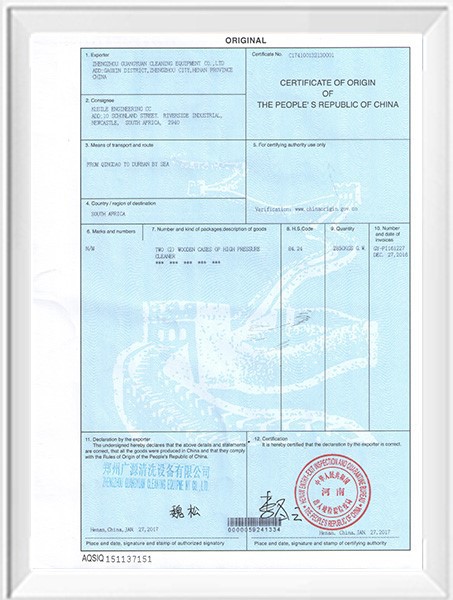
Our Certificate
Our company has obtained the following certificates:



Our factory
Below are photos of our factory:

